
Meet Doug Ruff: Three Generations of Idaho Farming and the Modern Tools Keeping It Alive
Doug Ruff’s story and the role of modern crop protection on his family farm
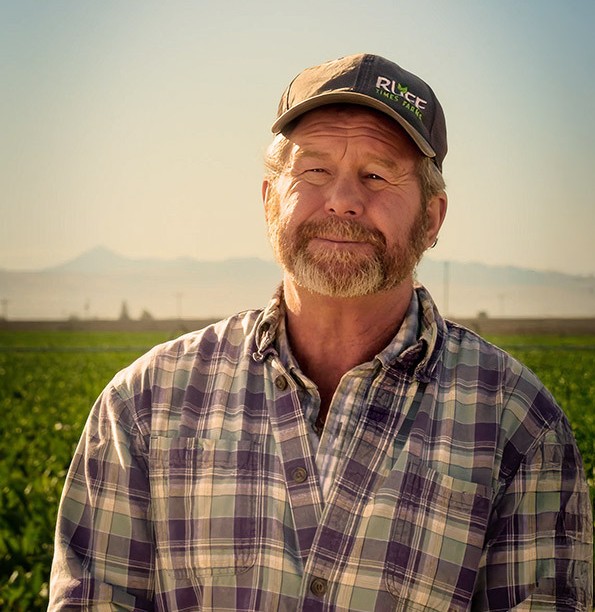
In Aberdeen, Idaho, third-generation farmer Doug Ruff walks the same ground his grandfather once dry-farmed before irrigation reached the valley in the 1960s. Today, Doug raises wheat, potatoes, and sugar beets—crops his family has cared for throughout decades of change.
From endless weed fights to essential tools
For Doug, the biggest change in his lifetime has been how he manages weeds in sugar beets. Before modern crop protection tools, weed control was constant and exhausting: cultivation after cultivation, hand crews, and four-wheeler sprayers running nearly every week.
In Doug’s words, before glyphosate (farmers’ top tool for crop protection):
“We would continually spray all the time back then with these little four-wheelers and four-wheeler sprayers, and we had a routine, would have two guys all the time. That’s what their only job was, to run these four-wheelers and sprayers, and you’d start at one field and just go around, and it was usually every 10 days to two weeks, and you’d have to come back and spray again.”
But the introduction of glyphosate in the mid-1990s made all the difference:
“We usually only have to spray twice a year. That’s it. It’s really made a huge difference for us. And the plus also is that there’s been no crop injury with the glyphosate.”
For Doug’s farm, that means fewer tractor passes, far less labor chasing weeds, lower input costs, and healthier, more productive crops. And ultimately, more sugar grown on fewer acres.
For a family farm—managing labor shortages, machinery costs, and tight margins—these improvements aren’t conveniences—they’re necessities.
What happens if this herbicide goes away?
Doug doesn’t hesitate when asked what losing glyphosate would mean for his operation:
“If we suddenly lost glyphosate, it would be a huge, huge hit to me and my neighbors. […] We would be faced with trying to pull some old equipment out, firing up more tractors, recruiting more labor, and definitely buying a lot more chemical to try to spray on these seeds. And in the process of all of this, we would watch our yields greatly diminish from where we are now. Our output would really suffer.”
His personal experience lines up with the research, which shows that without glyphosate:
- Farmers’ input costs per acre could more than double, as they’re forced to layer on multiple, more expensive alternatives.
- Food inflation could more than double, adding roughly $10 billion a year to Americans’ grocery bills.
- Net farm income would fall further, hitting small family farms the hardest—many of which already earn less than 10 cents on every dollar spent.
Modern Ag Alliance Stands With Doug
Doug’s story reflects what thousands of farmers in Idaho and across the country are living every day: doing everything they can to grow more food with fewer resources while caring for the land their families have depended on for generations.
But that work becomes impossible when access to essential tools is threatened by misinformation, relentless litigation, or politics that ignores science.
That’s why the Modern Ag Alliance exists.
We’re here to elevate farmers’ voices, protect access to safe and effective crop protection tools, and ensure policymakers understand what’s at stake for families like Doug’s—and for the nation’s food supply.
👉 Share Doug’s story on Instagram: