
Bringing Conservation to Life in North Carolina
Modern agriculture is constantly evolving—and some of the best examples of that progress can be found directly in the field.
Earlier this month, Modern Ag Alliance Executive Director Elizabeth Burns-Thompson joined farmers, agricultural leaders, conservation experts, and other stakeholders in North Carolina for the Conservation Technology Information Center’s Conservation in Action Tour. The tour offered an up-close look at the practices shaping modern agriculture and the tools farmers use every day to protect their land, manage risk, and keep their operations moving forward.
From soil health and water management to cover crops, conservation tillage, and other practical on-farm strategies, the tour highlighted a simple but important reality: conservation is not a talking point for farmers. It is part of how they farm.
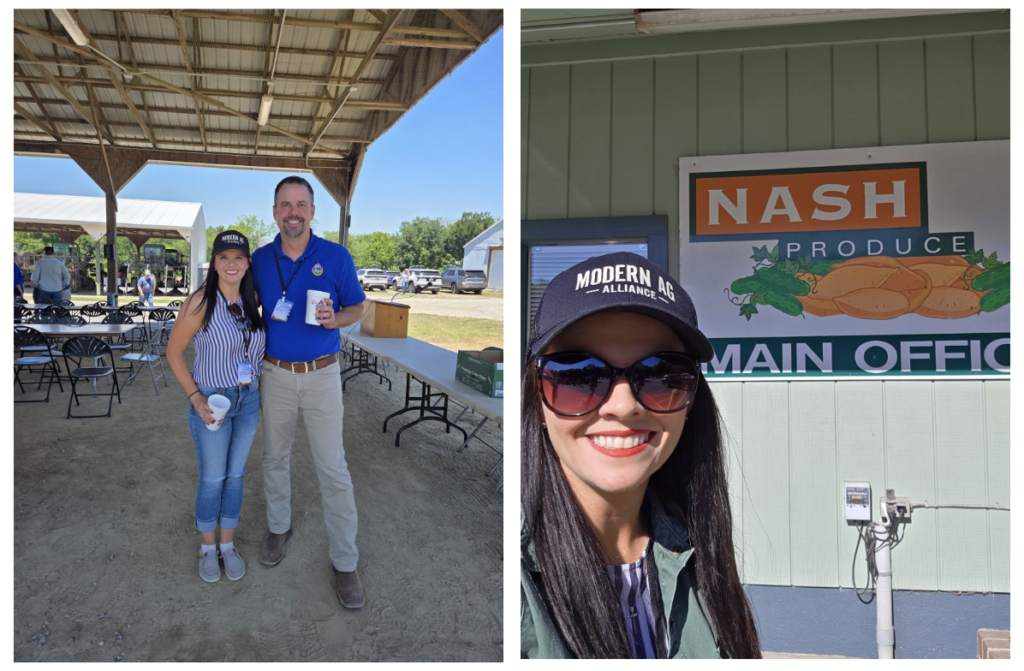
Across the tour, participants heard directly from farmers who are putting conservation practices to work in real-world conditions. These conversations underscored how innovation, experience, and access to the right tools all work together. Farmers are constantly making decisions that balance productivity, stewardship, weather, costs, and long-term sustainability.
That is why crop protection tools remain such an important part of the conservation conversation. Practices like no-till farming and cover cropping can help reduce soil erosion, preserve moisture, improve soil health, and limit unnecessary field passes. But farmers need effective tools to manage weeds and terminate cover crops in ways that are practical, affordable, and sustainable for their operations.
One of the most powerful moments from the tour came from Bill Leggett from the Leggett Family Partnership who reminded attendees why farmers and agricultural leaders must continue telling their own story.
In the featured video, Bill makes clear that advocacy is not optional for agriculture. They described traveling to Washington, D.C. nearly every year to represent their industry and emphasized the importance of showing up, speaking out, and making sure farmers’ voices are heard.
Their message was clear: if agriculture does not tell its own story, someone else will.
That matters not only in policy debates, but also in the marketplace. Bill warned that without active promotion and advocacy, domestic production can be displaced by imports—from beef to sweet corn and beyond. For farmers and the communities they support, telling the story of American agriculture is about more than visibility. It is about protecting the future of domestic food production.
The Modern Ag Alliance was proud to be part of these conversations in North Carolina. Events like the CTIC Conservation in Action Tour help remind us why the voices of farmers must remain at the center of decisions about agriculture.