
Setting the Record Straight: The Facts Behind the Bread Testing Claims
Recent claims made during Florida Governor Ron DeSantis’ press conference regarding glyphosate in bread have sparked concern among consumers. Unfortunately, this is not the first time that detection is being confused with danger. Critical scientific context is being left out of the conversation.
The trace amounts of glyphosate cited in Florida’s “bread testing” announcement are well below the Environmental Protection Agency’s (EPA) established tolerance levels for pesticide residues in food. Citing parts-per-billion measurements without explaining real-world exposure creates unnecessary alarm rather than informed discussion.
Detection Does Not Equal Risk
The highest level reportedly detected in the Florida First Initiative’s bread testing was 191 parts per billion (ppb). According to EPA safety thresholds, a 60 kg (132 lb.) adult would need to eat approximately 628 loaves of bread every single day to approach the agency’s already conservative daily limit. A 30 kg (66 lb.) child would need to consume approximately 314 loaves per day to reach that same level.
These figures are based on EPA tolerance calculations and are laid out clearly in this fact sheet.
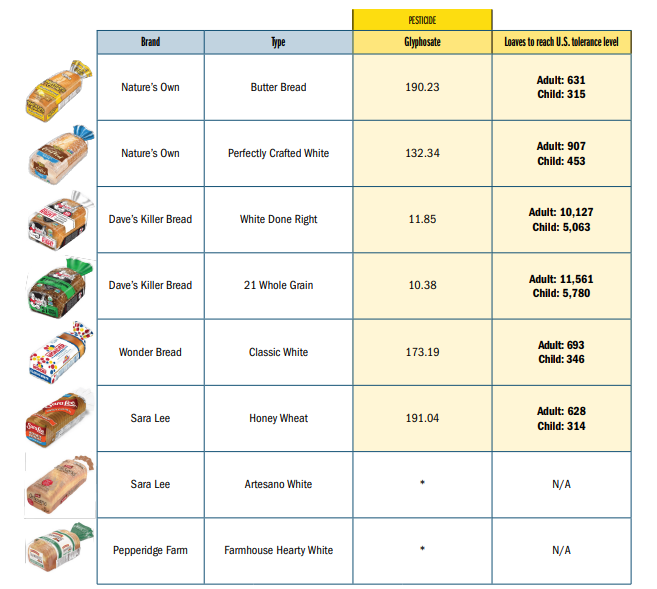
The U.S. regulatory system is risk-based, not hazard-based. That means safety determinations are made based on real-world exposure levels, not theoretical possibilities. The amounts reported in the Florida testing fall far below levels that regulators consider concerning. Put simply: the levels being cited are not remotely close to posing a health risk.
Why This Matters
Farmers operate on razor-thin margins, and consumers are already grappling with high grocery prices. Sensationalized claims about trace pesticide detections risk undermining public trust in the very regulatory system designed to protect consumers.
Glyphosate remains one of the most studied crop protection tools in the world. It enables conservation practices like no-till farming, reduces fuel use, improves soil health, and helps keep yields high and food prices stable. Undermining confidence in safe, EPA-approved tools based on misleading headlines makes our food system more vulnerable.
If we want to have an honest conversation about food safety and public health, it must start with science, context, and facts—not fear.
Consumers deserve clarity. Farmers deserve certainty. And public officials have a responsibility to present complete, accurate information when discussing the safety of our food supply.