
The Science and Tools Behind Regenerative Agriculture
What is regenerative agriculture? That question has gained renewed attention with the Trump administration’s announcement of a Regenerative Agriculture Initiative, and as interest grows in farm practices that protect the environment and produce high yields.
There isn’t a universally recognized definition of “regenerative agriculture”—in fact, dozens of different definitions have been used by various regulators, organizations, academics, industries, and others over the years. Still, most agree on the fundamental principles: improving soil health, strengthening farm resilience, and supporting sustainability. While regenerative agriculture is a relatively new term, its roots lie in decades-old, proven farm conservation practices.
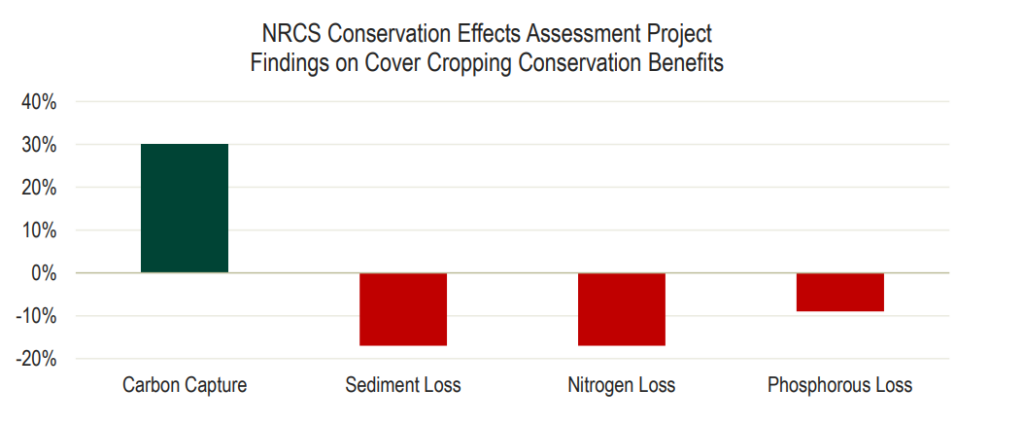
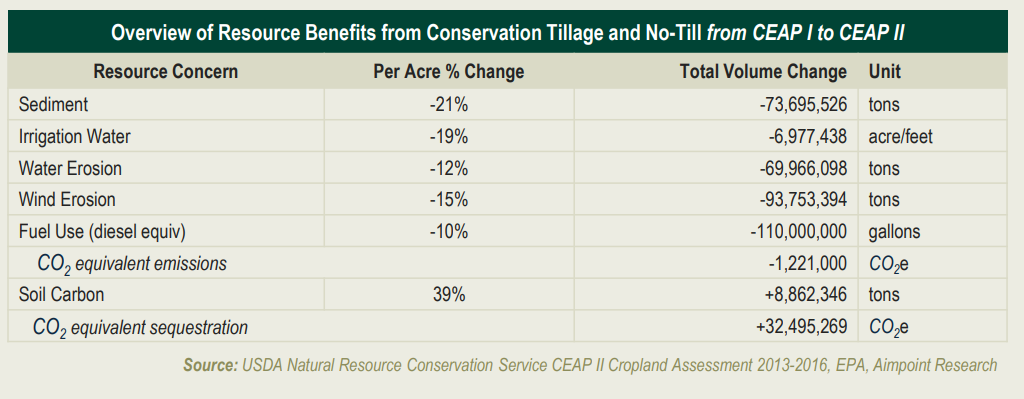
Long before the term entered popular conversation, farmers were already implementing conservation practices such as reduced tillage, no-till, and cover crops to enhance soil health and protect the environment for future generations. Decades of research show that these proven practices have achieved concrete conservation gains, including a 22% reduction in sediment loss, a 19% reduction in water consumption, a 17% reduction in nutrient loss, and a 16% reduction in soil erosion across more than 53 million farm acres.
But what often goes unsaid is that many regenerative practices are only possible because of modern crop protection tools. Without them, it would be far more difficult—if not impossible—to implement these practices at scale, and immense progress would be lost.
Before the advent of crop protection chemistries, the primary way that farmers controlled weeds was through intensive tillage. This broke up weeds, but it also disrupted the soil, causing erosion, degradation, nutrient loss, and runoff. This was a key contributor to the Dust Bowl that ravaged 100 million acres of farmland in the 1930s.
Pesticides, including herbicides like glyphosate, help farmers control weeds without disturbing the soil. These inputs are foundational for regenerative practices such as conservation tillage and no-till—enabling farmers to effectively suppress invasive weeds, make fewer passes in the field, and save fuel and labor. They also help farmers transition fields from cover crops to cash crops each year without the need for extensive tillage, enhancing soil health and fertility.
An analysis by the Directions Group shows that glyphosate alone has been one of the most critical tools to enable the broad adoption of these conservation practices, helping to secure quantifiable soil, water, and air quality benefits. The carbon sequestration benefits of these practices are also significant, resulting in 32.5 million tons per year of additional CO₂ stored in these rich soils. That’s the equivalent of offsetting the yearly emissions from 6.8 million gas-driven cars for a year.
The broad adoption of reduced tillage and cover crops has been strengthened by key provisions in the Farm Bill, which includes the Environmental Quality Incentives Program (EQIP) and the Conservation Stewardship Program (CSP). These conservation programs provide the partnership, funding, and training to help farmers feasibly adopt these practices.
Without crop protection tools like glyphosate, the Farm Bill’s investment in these conservation programs would be undermined, and significant conservation gains would be lost. With over 80% of U.S. no-till soybean and corn farmers using glyphosate for weed control, it remains an essential component of modern agriculture.
Source: The Directions Group
Source: The Directions Group
Regenerative agriculture isn’t about nostalgia for old methods—it’s about equipping farmers with the best science, technology, and tools to protect soil health and build stronger farms for the future. Farmers are doing their part—adopting regenerative practices, improving soil health, and reducing environmental impact, all while ensuring a robust supply of food, fuel, and fiber for the country. Protecting the tools that make these gains possible is essential to ensuring that progress continues.